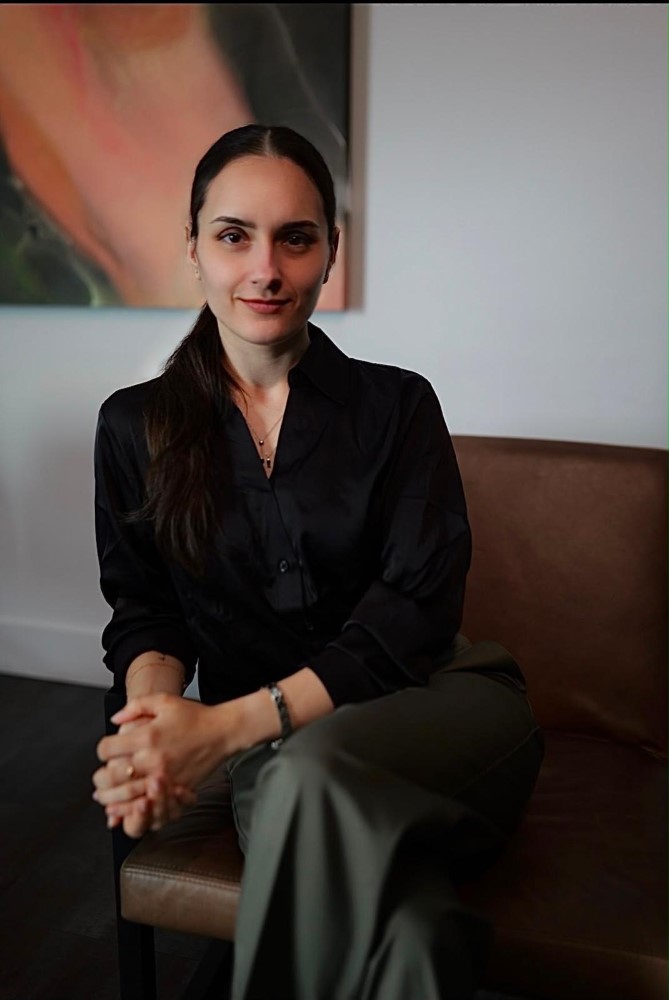
Tetiana Kolodzheieva is a Ukrainian entrepreneur, inventor, choreographer, educator, and founder of K-MOVEMENT LLC, based in Seattle, Washington. For more than a decade, she has dedicated her career to helping children discover confidence, creativity, and self-expression through movement. What began as a passion for dance gradually evolved into the development of innovative tactile technologies designed to make education and communication more inclusive.
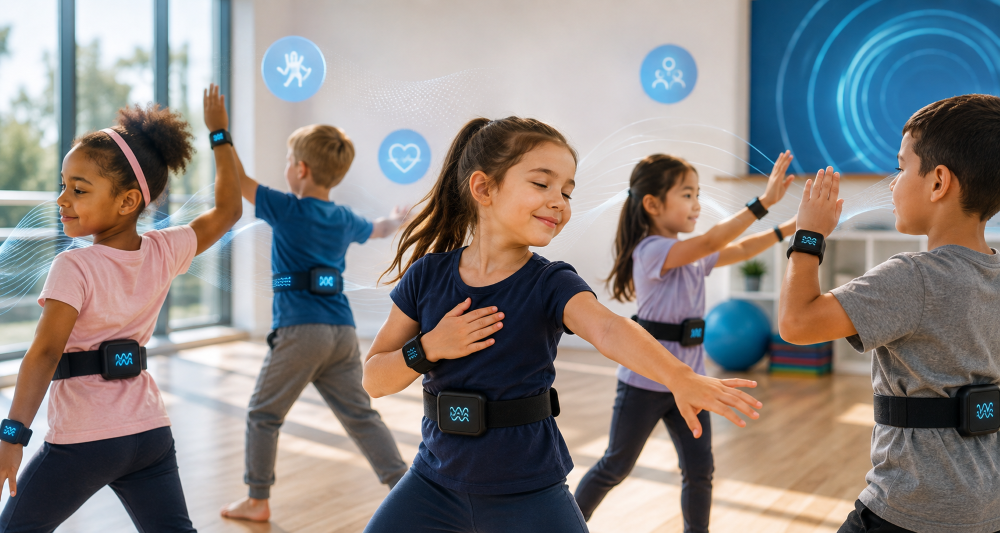
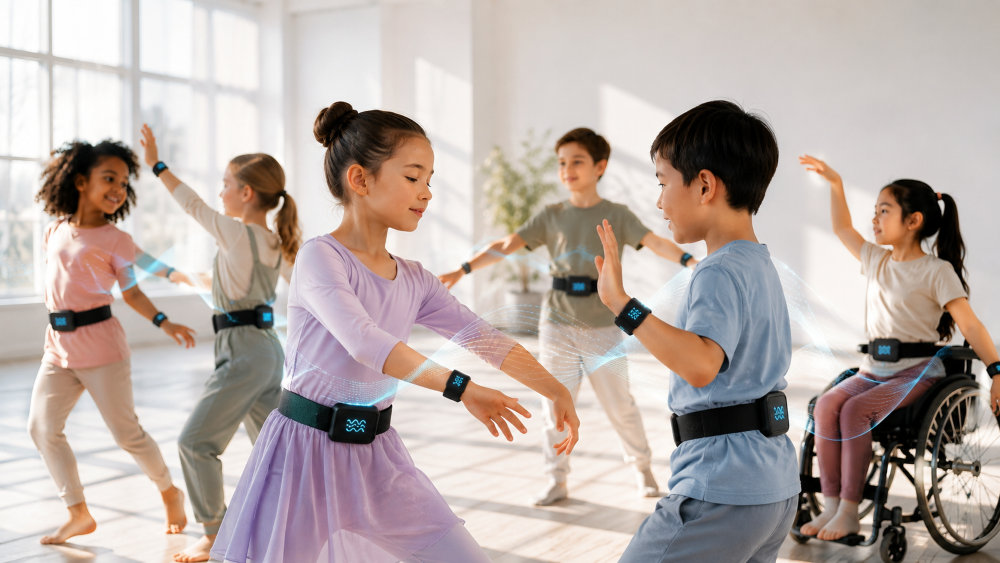
Today, Tetiana is the creator of an original non-verbal synchronization methodology and wearable tactile devices that allow children with hearing impairments to experience rhythm, movement, and social interaction through touch.
Developing an innovative product is only one part of the journey. What has been the biggest challenge in bringing your idea to life?
— I quickly realized that creating a good technology is only the beginning. You also have to protect your intellectual property, build partnerships, understand the business side, find funding, test your ideas, and most importantly, prove that your solution truly helps people.
Innovation requires patience. There are moments when progress feels slow, but every challenge teaches you something valuable.
What keeps me moving forward is knowing that this work has the potential to improve someone’s life. That makes every obstacle worthwhile.
How important is intellectual property protection in your work?
— It is absolutely essential. Behind every invention are years of research, testing, and continuous improvement. Protecting intellectual property isn’t just about legal rights—it’s about preserving the opportunity to continue developing an idea and bringing it to people who need it.
We are currently working on patent protection for our non-verbal synchronization methodology while continuing to develop new tactile technologies. For me, innovation only has real value when it can grow, evolve, and benefit others.
Your work has received recognition from several scientific and professional organizations. What does it mean to you to become a Member of the Academy of Sciences of Ukraine, a Member of the International Association of Scientists “Intellectual Leadership,” receive an Award for Innovation and Invention, and serve as an Ambassador of the international magazine Ukrainians and the World?
— I see each of these recognitions not as an achievement to celebrate, but as a responsibility to keep growing.
Becoming a Member of the Academy of Sciences of Ukraine and a Member of the International Association of Scientists “Intellectual Leadership” has connected me with remarkable researchers, educators, and innovators who are committed to advancing science and improving society.
Receiving an Award for Innovation and Invention was deeply meaningful because it confirmed that the work we are doing has practical value and the potential to make a real difference.
Serving as an Ambassador of Ukrainians and the World is another role that I truly value. It allows me to introduce talented Ukrainian professionals to international audiences, support new ideas, and demonstrate that Ukrainian innovation deserves global recognition.
Every one of these roles inspires me to work even harder and continue creating projects that have a positive impact.
Scientific research has become an important part of your professional life. Why do you dedicate so much time to writing papers and speaking at conferences?
— Because innovation should never exist in isolation. Every practical solution should be supported by research, analysis, and open discussion. Writing scientific papers helps me organize ideas, evaluate results objectively, and continue improving our methodology.
International conferences are equally valuable. They create opportunities to exchange experience, learn from experts in different countries, receive constructive feedback, and discover new perspectives. Science grows through collaboration, and I believe knowledge becomes truly valuable when it is shared.
You also conduct workshops and professional training programs. What does being a trainer mean to you?
— Teaching has always been part of who I am. Whether I am working with educators, choreographers, therapists, or parents, my goal is never simply to explain a method.
I want people to leave inspired, confident, and ready to apply what they have learned. I also enjoy mentoring young innovators. Sometimes talented people already have excellent ideas—they simply need encouragement, guidance, or someone who believes in them.
If I can help another person move one step closer to achieving their dream, I consider that one of the greatest rewards of my work.
Looking ahead, what is your personal mission?
— My mission has grown far beyond developing a single technology.
Of course, I want to continue improving tactile educational solutions and expanding their applications around the world. But even more importantly, I want to help create a future where innovation, education, and inclusion work together.
I believe every child deserves the opportunity to learn, express themselves, and participate without unnecessary barriers. If my work encourages educators to think differently, inspires researchers to explore new ideas, or helps a child discover confidence through movement, then I know I am moving in the right direction.
Technology should never replace human connection. At its best, it should strengthen it.
Finally, what advice would you give to Ukrainian innovators who dream of bringing their ideas to the United States?
— Don’t wait for the perfect moment. Believe in your idea, but be willing to improve it every single day. Listen to people. Accept constructive criticism. Keep learning. The American market values practical solutions, professionalism, and persistence.
Most importantly, don’t create something simply because it’s new. Create something that genuinely improves people’s lives. When innovation is driven by purpose, opportunities naturally follow.
Irina Novikova
Photo from the archive of Tetiana Kolodzheieva